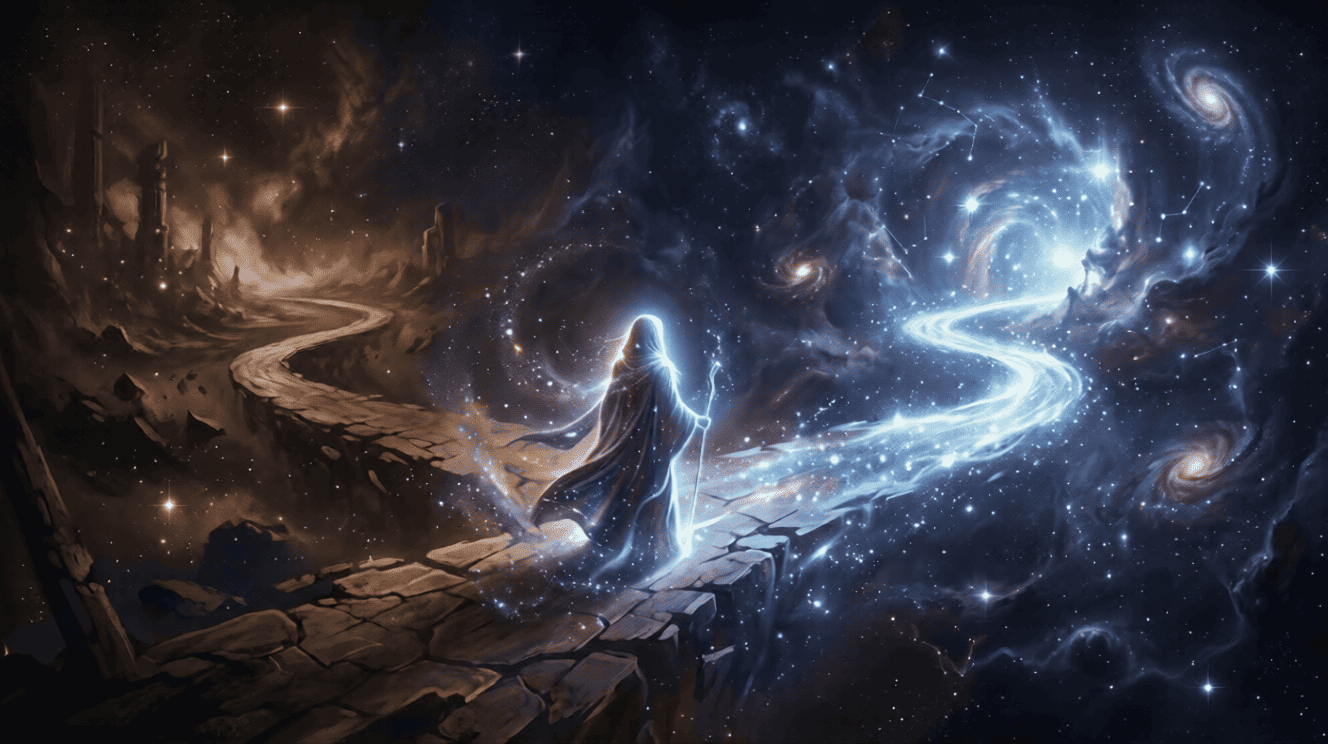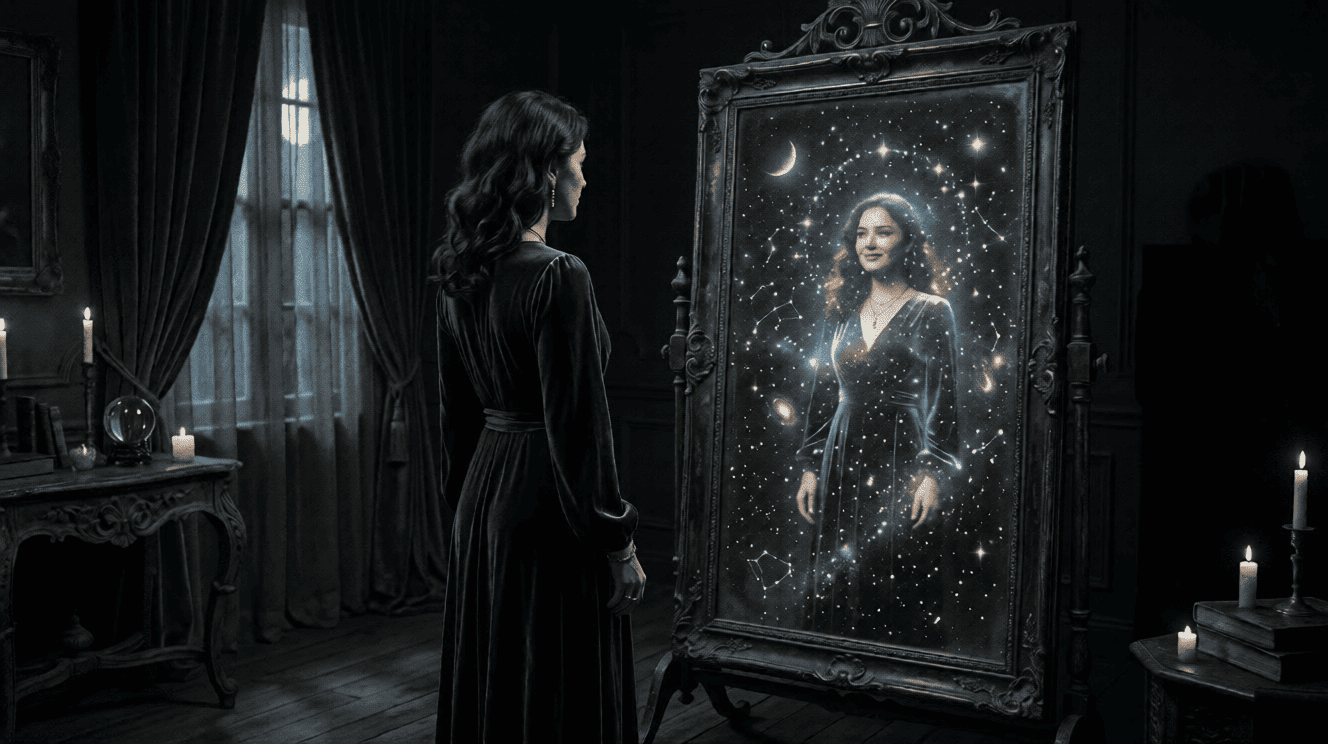
What the Shadow Is
The concept of the shadow comes from Jungian psychology. The shadow is everything you have denied, repressed, rejected or disowned in yourself — not only the obviously negative qualities like anger and greed, but also positive qualities that were somehow taught to you as unacceptable. The child who was told their ambition was arrogance may repress drive into their shadow; the child who was punished for emotions may send feeling underground.
Shadow material doesn't disappear when we repress it — it operates outside conscious awareness, driving behaviour in ways we don't fully see, projecting itself onto other people (so that what we find most intolerable in others is often a disowned quality in ourselves), and surfacing at times of stress or tiredness when our conscious management weakens.
The 12th House as Shadow Territory
The 12th house is the primary shadow house in astrology — the area of the chart that is most directly associated with what is unconscious, hidden and unacknowledged. Planets in the 12th house describe specific psychological material that tends to operate below conscious awareness. A 12th house Mars, for example, may describe repressed anger and drive that surfaces as compulsive self-sabotage or passive aggression. A 12th house Venus may describe repressed longing and relational needs that emerge through unavailable or secret relationships.
The 8th House
The 8th house also carries shadow material — specifically around power, intimacy and what we find threatening or taboo. Planets here describe areas where deep psychological transformation is required and where resistance to that transformation tends to be strongest. Saturn in the 8th, for instance, may describe a deep fear of surrender and vulnerability that limits the depth of intimacy available.
Squares and Oppositions as Shadow Indicators
The most direct astrological indicators of active shadow material are the challenging aspects — squares and oppositions — in a birth chart. A square (90-degree angle) between two planets describes a tension between two parts of the self that are working at cross-purposes, often because one is more consciously expressed while the other operates in the background. An opposition (180 degrees) often describes a quality that gets projected onto other people because it's not integrated internally.
If your Sun squares your Saturn, the tension between your core identity (Sun) and the part of you that imposes limitation, discipline and fear (Saturn) is active. This might show up as a pattern of undermining your own achievements, or as a harsh inner critic that intercepts your natural self-expression. The shadow work here is not to eliminate Saturn but to integrate it — to develop the genuine discipline Saturn offers without letting it squash the Sun's vitality.
Planets Intercepted in Houses
In some chart calculation systems, certain signs can be "intercepted" — contained entirely within a house without touching either house cusp. Planets in intercepted signs tend to be harder to access and express, and often describe psychological material that is particularly resistant to conscious integration.
How to Actually Do the Work
Look at your 12th house and the planets there. Look at your squares and oppositions. Look at the planet or sign you have the strongest negative reaction to — both in chart interpretation and in real people. These three investigations will give you a fairly precise map of your current shadow territory.
Then ask: where do I see this quality in the people I find most irritating or threatening? Where might this be operating in my own behaviour in ways I haven't fully acknowledged? What would it look like to own this quality consciously — not to indulge it, but to acknowledge it as part of yourself and find constructive expression for it?
This is not fast work and it's not comfortable work. But it is the work that actually changes patterns rather than just rearranging their surface expression.